About eSUN
 Company Profile
 Locations
 Global
 R&D Strength
 Chemical Recycling
 Culture
 History
 Management
 Polylactic Acids
 Polycaprolactones
 Polycaprolactone raw material
 Lactate Esters
 Methyl lactate
 Polyol-seriess
 3D Printing
 PLA Fiber
 Biomedical Materials
 Disposable Degradable Products
 Oil and Gas Field Exploitation
 Phone
Phone Send Email
 Facebook
 Youtube


eSUN Advances Bio-Based Blends: PLA Fiber + Viscose, Cotton, Linen, Wool, Rayon from Bamboo
Polylactic acid (PLA) fibers can be blended with cotton, linen, silk, wool, or other bio-based fibers. On one hand, this can help improve the application limitations of single materials; on the other hand, multi-material blends can also endow downstream applications with multifunctionality.
As a bio-based material, PLA fiber has broad application prospects, but it also has certain limitations in specific performance aspects. Through continuous R&D innovation, eSUN has made a series of breakthroughs in PLA fiber application technology, overcoming challenges such as strength degradation and dyeing difficulties. These efforts promote innovation in “bio-based CP” technology and provide the industry with diverse green composite material solutions.
01. PLA Fiber + Viscose Fiber: The “Golden Duo” for Moisture Absorption and Antibacterial Performance
Viscose fiber is derived from natural cellulose and is known for its outstanding moisture absorption and breathability; PLA fiber is sourced from renewable plant resources. The combination of the two brings significant advantages. After blending, the product not only improves moisture absorption, breathability, and quick-drying performance, but also enhances antibacterial properties. Tests show that a blend of 30% PLA and 70% viscose achieves an antibacterial rate of over 80% against common bacteria. Its applications are extensive, ranging from antibacterial hygiene materials to eco-friendly packaging and skin-friendly clothing, fully meeting market demands.
02. PLA Fiber + Wool: A Revolutionary, Breathable, Eco-Friendly Fabric
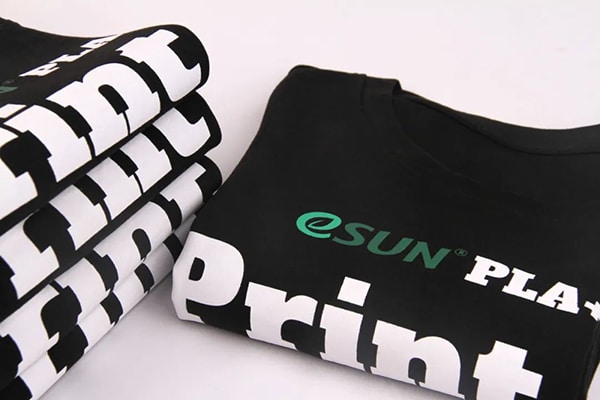
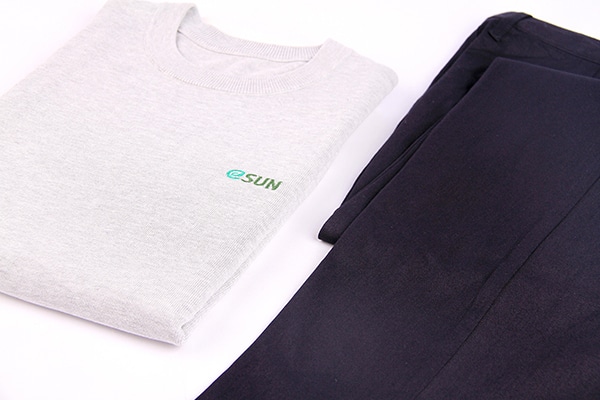
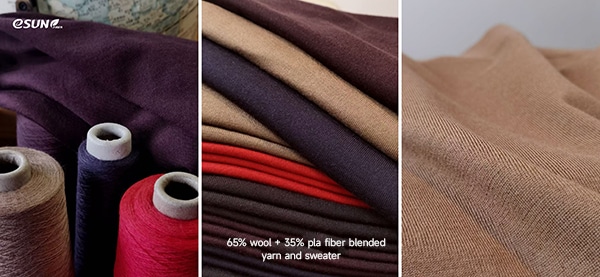
While wool is warm and skin-friendly, it is prone to deformation. Blending it with PLA fiber allows for complementary advantages. The resulting fabric combines warmth and quick-drying properties, as well as antibacterial and mite-resistant features, making it suitable for close-to-skin garments. It also enhances garment structure and reduces costs. From knitted sweaters to suit fabrics, this blend demonstrates exceptional performance.
03. PLA Fiber + Linen Fiber: A Sustainable Development Model Where 1+1>2
Linen fiber is strong but has a rough texture. When blended with PLA fiber, it enables lightweight and eco-friendly solutions in automotive interiors; in packaging, it avoids the introduction of irritants; in clothing and home textiles, it combines antibacterial and breathable properties. It can even be used in home wall panels, showing broad application prospects.
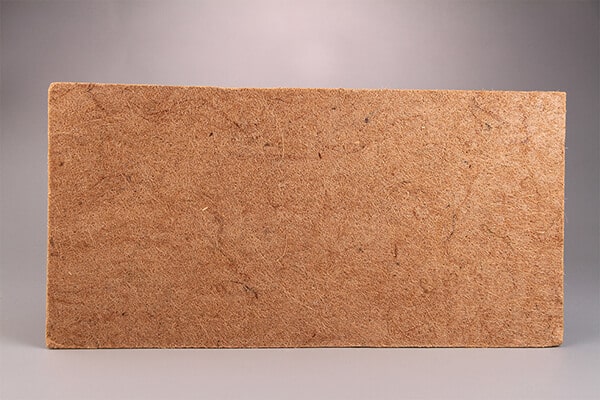
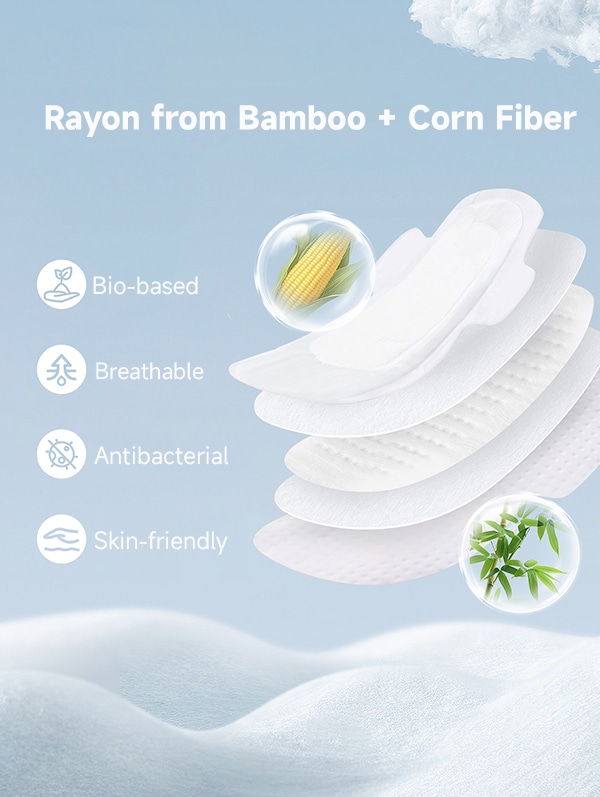
04. PLA Fiber + Rayon from Bamboo: A Skin-Friendly and Antibacterial “Buffed-Up” Combo
Rayon from bamboo is naturally antibacterial. When blended with PLA fiber, the antibacterial performance is further enhanced. A sample blended with 40% PLA and 60% rayon from bamboo achieves an antibacterial rate of up to 99% against certain bacteria. At the same time, moisture absorption and breathability are optimized. This blend is widely used in hygiene products, sportswear, and home textiles.