

 About eSUN
 Company Profile
 Locations
 Global
 R&D Strength
 Chemical Recycling
 Culture
 History
 Management
 Polylactic Acids
 Polycaprolactones
 Polycaprolactone raw material
 Lactate Esters
 Methyl lactate
 Polyol-seriess
 3D Printing
 PLA Fiber
 Biomedical Materials
 Disposable Degradable Products
 Oil and Gas Field Exploitation
 Phone
Phone Send Email
 Facebook
 Youtube


PLA Fiber + Rayon from Bamboo: A Bio-Based Boost for Comfort and Antibacterial Protection
According to extraction methods, bamboo fibers can be categorized into bamboo bast fiber, bamboo charcoal fiber, and rayon from bamboo. This article focuses on the blended application of rayon from bamboo and PLA fiber.
Overview of Rayon from Bamboo and PLA Fiber
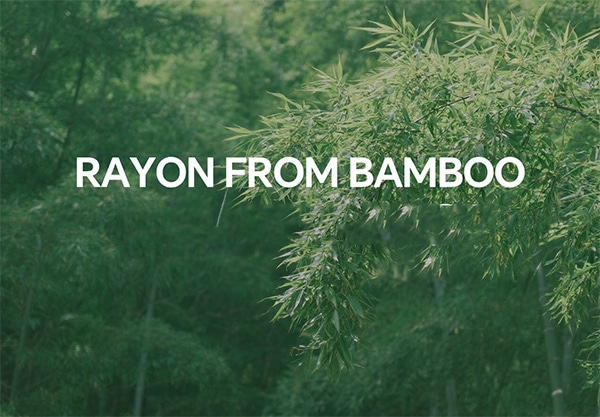
Rayon from bamboo is a regenerated cellulose fiber made from bamboo using the viscose spinning process. As a bio-based fiber, it offers excellent moisture absorption, breathability, and natural antibacterial, anti-microbial, and UV-resistant properties.
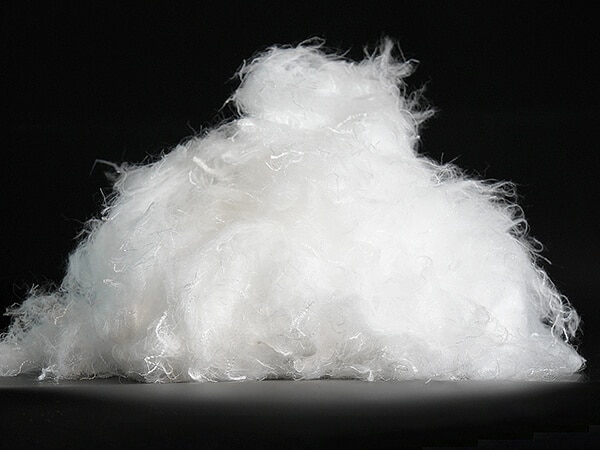
PLA fiber is a bio-based synthetic fiber with similarly outstanding properties—naturally sourced, skin-friendly, antibacterial, anti-mite, breathable, and UV-resistant. Developing advanced composite materials by blending PLA with other bio-based fibers adds multifunctionality to the products. ESUN has been actively exploring applications involving “PLA + rayon,” “PLA + cotton,” “PLA + wool,” and more, and has already achieved several key breakthroughs.
Benefits of Blending PLA Fiber with Rayon from Bamboo
1. Enhanced Antibacterial Properties
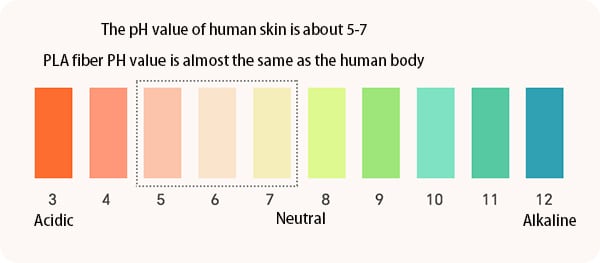
PLA is derived from lactic acid, an endogenous substance in the human body. Its fiber has a pH nearly identical to that of human skin, giving PLA excellent biocompatibility, strong skin affinity, non-allergenic nature, and high safety. It also exhibits natural antibacterial, mildew-resistant, and odor-resistant properties. Rayon from bamboo contains “bamboo kun,” which provides inherent antibacterial, anti-mite, and deodorizing qualities that inhibit bacterial growth. Combining PLA with rayon from bamboo maintains strong antibacterial performance, offering a safe and reliable user experience.
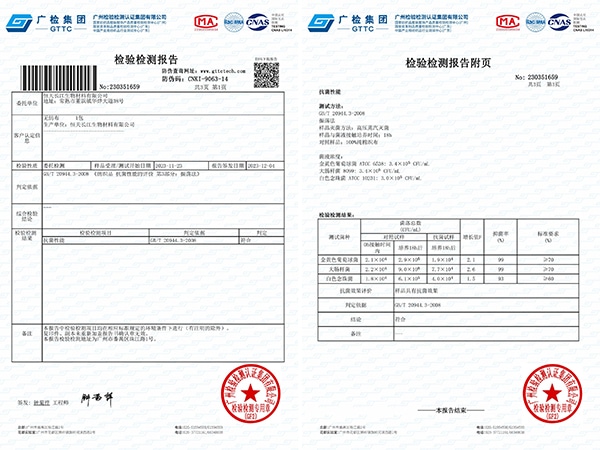
·eSUN’s antibacterial test report for spunlace nonwoven fabric·
(40% PLA fiber + 60% rayon from bamboo)
2. Improved Moisture Absorption and Breathability
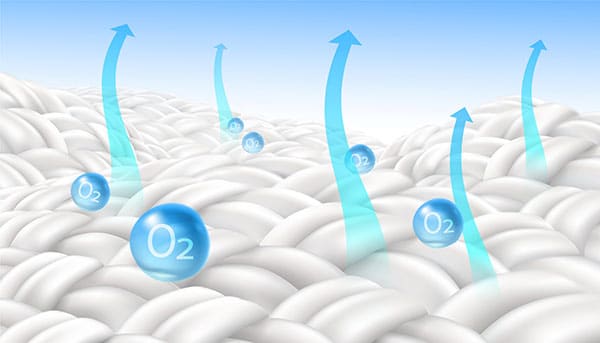
PLA fiber is lightweight, with excellent moisture-wicking and sweat-dispersing capabilities, superior water diffusion, and quick-drying properties. Rayon from bamboo also rapidly absorbs and evaporates moisture. When blended, the two fibers significantly improve moisture absorption and breathability, providing a dry and comfortable experience—especially suitable for top-layer, skin-contact use in products such as diapers and sanitary napkins.
In apparel applications, the quick evaporation of moisture also helps dissipate body heat, enhancing the wearer’s cooling comfort.
3. Bio-Based, Safe, and Environmentally Friendly
Both PLA fiber and rayon from bamboo are sourced from plants and other renewable resources. Promoting the use of such bio-based materials helps reduce reliance on petrochemical resources and carbon emissions, supporting sustainable growth in the textile industry.
Furthermore, using bicomponent PLA fiber can reduce or even eliminate the need for synthetic adhesives such as glue, further ensuring product safety.
Applications of PLA Fiber and Rayon from Bamboo Blends
1. Sanitary Products: Sanitary Napkins, Diapers, etc.
Thanks to the antibacterial and moisture-managing properties of PLA Fiber and rayon from bamboo, hygiene products like sanitary napkins and diapers made from these fibers can meet the needs of users of all ages and skin types. These materials help keep the skin-contact layer dry and comfortable, reducing irritation and preventing issues like rashes or “diaper rash.”
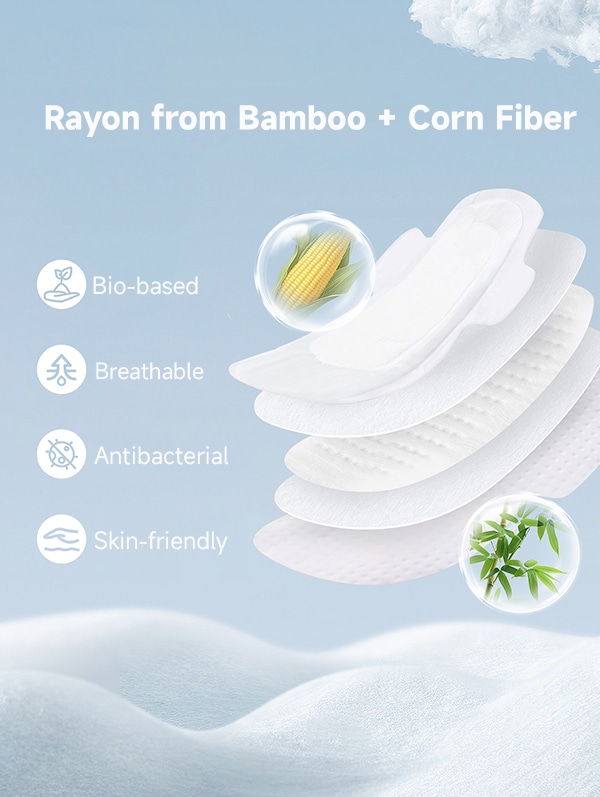
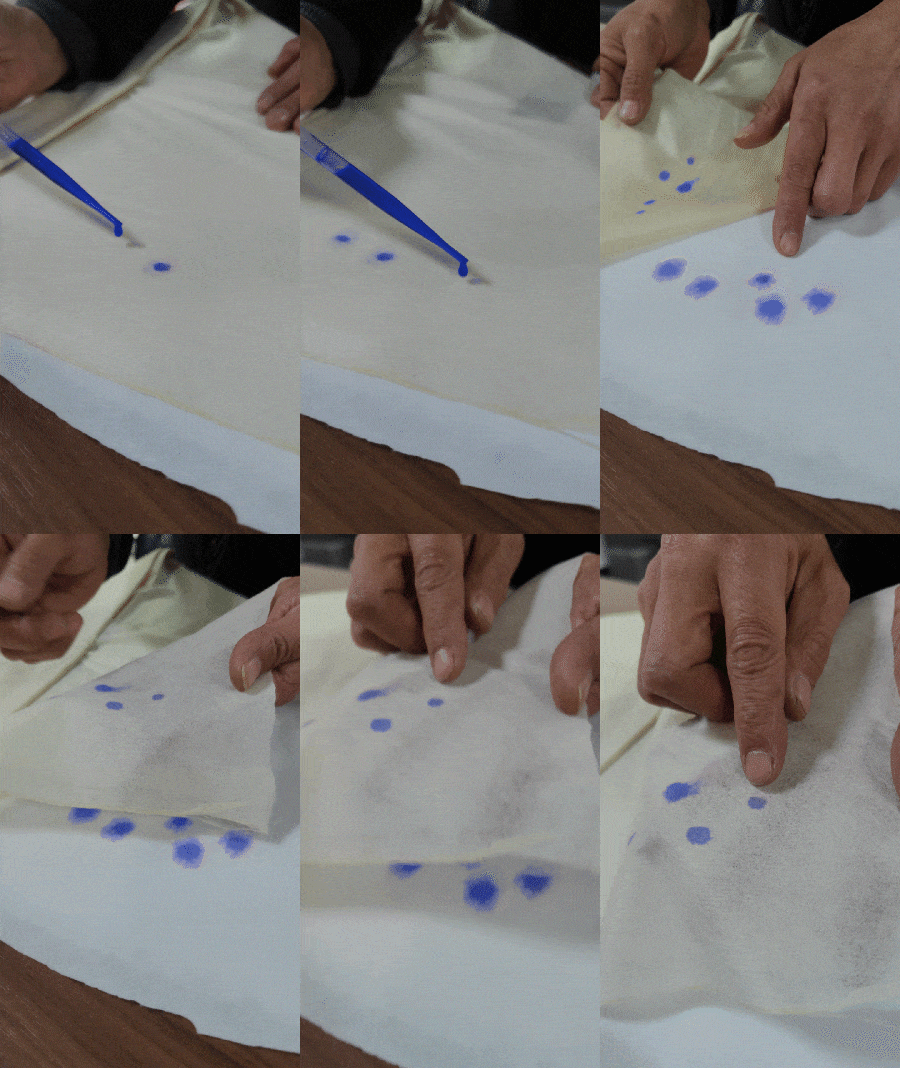
In real-world diaper and sanitary napkin applications, the PLA + rayon from bamboo blend is soft, skin-friendly, and antibacterial. It also enables fast fluid penetration, moisture conduction, and prevents backflow.
2. Apparel and Home Textiles
Fabrics blended from PLA Fiber and rayon from bamboo are ideal for sportswear, T-shirts, underwear, and children’s clothing. PLA’s quick-drying and moisture-wicking performance, combined with rayon from bamboo’s moisture absorption and breathability, makes them especially suitable for summer and activewear. The softness and antibacterial features also improve comfort in intimate garments.
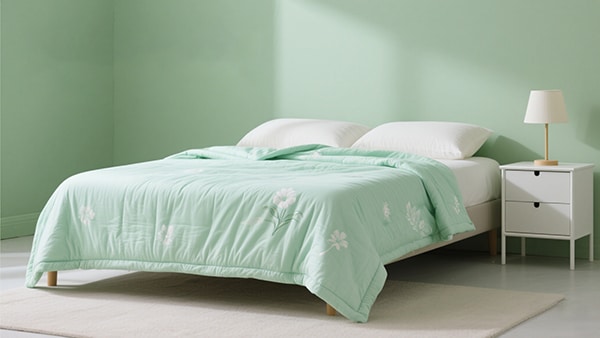
In addition, this fiber blend can be applied in home textile products like bedding, comforters, pillowcases, and towels.
Conclusion
With growing global demand for eco-friendly textiles, the blending of PLA fiber with regenerated cellulose fibers like rayon from bamboo aligns perfectly with the green, low-carbon trend. This sustainable solution offers high-quality, differentiated products and holds significant market potential.