

 About eSUN
 Company Profile
 Locations
 Global
 R&D Strength
 Chemical Recycling
 Culture
 History
 Management
 Polylactic Acids
 Polycaprolactones
 Polycaprolactone raw material
 Lactate Esters
 Methyl lactate
 Polyol-seriess
 3D Printing
 PLA Fiber
 Biomedical Materials
 Disposable Degradable Products
 Oil and Gas Field Exploitation
 Phone
Phone Send Email
 Facebook
 Youtube


Polylactic Acid (PLA) Fiber Combined with Cotton, Linen, Silk, and Wool – What’s the Effect?
When buying clothes or choosing home textiles, what do you value most?
Comfort? Appearance? Or cost-effectiveness?
Different fibers each have their own advantages. The shortcomings of a single material can sometimes be addressed through the blended application of different fibers.
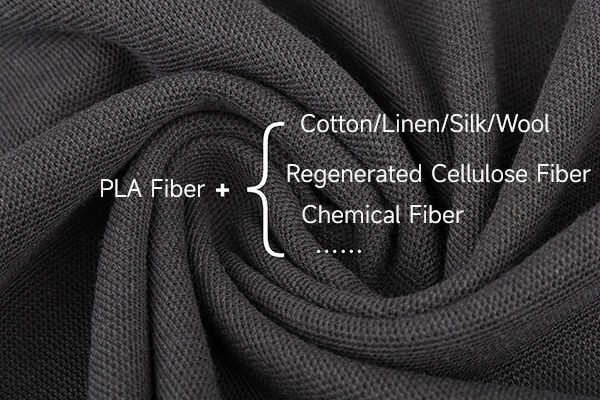
As a new bio-based material, polylactic acid (PLA) fiber, when combined with familiar fibers such as cotton, linen, silk, wool, viscose, or others, creates exciting new possibilities. Today, let’s take a closer look at the “magical effects” of PLA fiber in combination with other materials!
01 PLA Fiber + Cotton
Both skin-friendly and durable
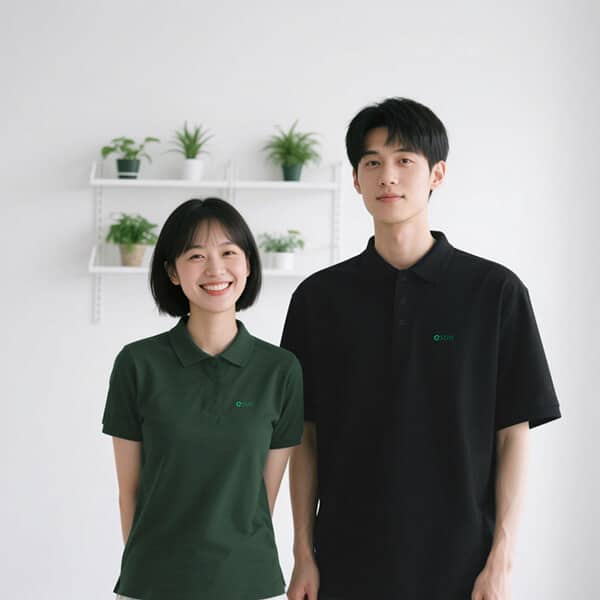
The popularity of cotton needs little explanation: soft, skin-friendly, and suitable for all ages, making it the top choice for clothing and bedding. However, cotton also has its drawbacks—for example, it doesn’t dry easily after absorbing sweat, clothing often feels damp during the rainy season, and it can deform or yellow over time.
When PLA fiber and cotton “team up,” these weaknesses can be improved, while new functionalities are added.
Blended PLA and cotton fabrics remain soft and skin-friendly, but thanks to PLA’s capillary effect, they achieve better moisture absorption, quick-drying, and breathability. This is especially beneficial in summer, helping clothes stay dry and fresh; in the rainy season, it also prevents garments from staying damp and developing odors.
At the same time, PLA fiber has better wrinkle resistance. When blended with cotton, it reduces cotton’s tendency to wrinkle, extending product lifespan and improving cost-effectiveness.
02 PLA Fiber + Linen Fiber
A 1+1 > 2 model for sustainable development
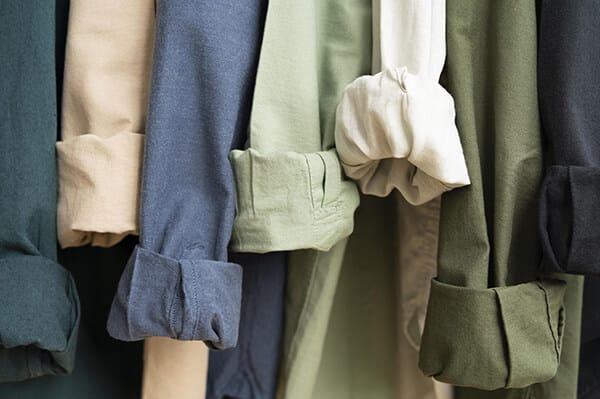
In summer, linen fibers become the “vibe-setter” material—linen shirts and ramie dresses naturally exude a relaxed, “old money” feel. They are highly breathable and cool, making them more comfortable in hot weather. However, linen has “weak points”: it is relatively coarse and wrinkles easily.
Blending PLA fiber with linen fibers helps “balance” these drawbacks.
PLA fiber has a fine, smooth hand feel, and when blended with linen, the fabric retains breathability and coolness while becoming softer and more comfortable. It also provides antibacterial properties and wrinkle resistance, making it easier to care for.
Beyond apparel, PLA-linen blends have wide application potential:
- In automotive interiors, they enable lightweight and eco-friendly designs.
- In packaging, they avoid introducing irritants.
- In home materials such as wall panels, they offer sustainable solutions.
The application prospects are broad.
03 PLA Fiber + Wool
A breathable innovation in eco-friendly fabrics
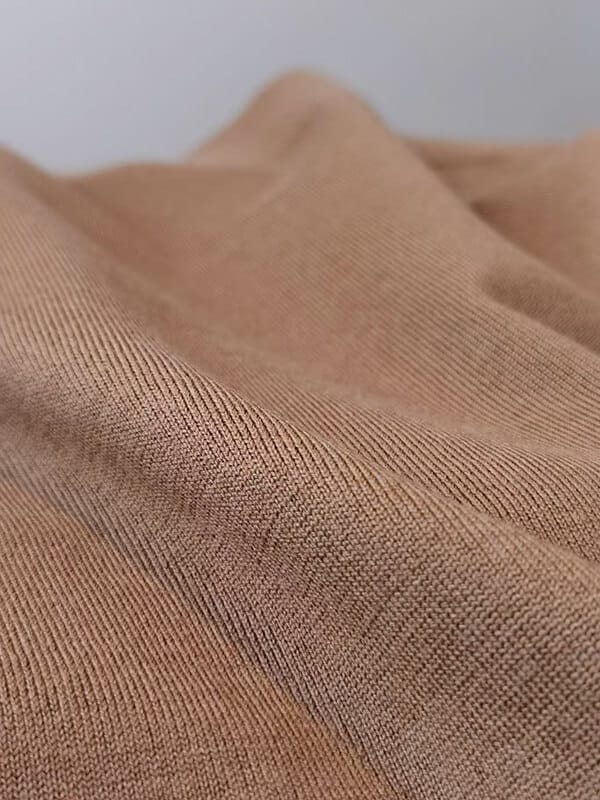
“Wool” typically refers to animal fibers such as sheep’s wool and cashmere—the essential “warmth providers” in winter. Yet wool products have drawbacks: they shrink easily, are not easy to care for, and can lose their shape.
Blending PLA fiber with wool results in fabrics that combine warmth with quick-drying functionality, along with antibacterial and anti-mite properties, making them suitable for close-to-skin garments. This blend also improves fabric structure, enhances durability, and reduces cost. From knitwear to suit fabrics, the performance is excellent.
04 PLA Fiber + Viscose Fiber
A “golden combination” for moisture absorption and antibacterial properties
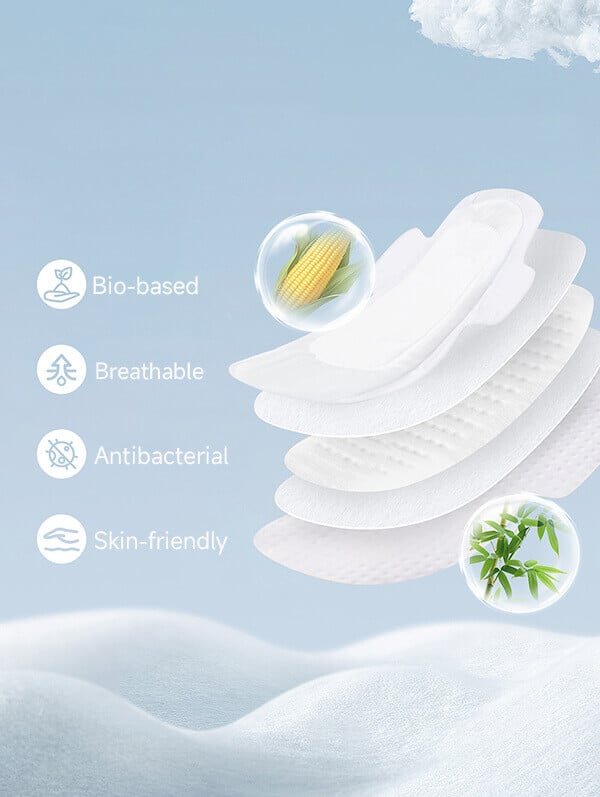
Viscose is the “all-round supporting player” in the fiber world—highly absorbent, breathable, and comfortable, whether used in apparel or home textiles, and it offers good cost-effectiveness.
When combined with PLA fiber, the resulting fabrics further enhance moisture absorption, breathability, and quick-drying properties, while also boosting antibacterial performance.
Applications are wide-ranging, from antibacterial hygiene materials to eco-friendly packaging to skin-friendly apparel, meeting diverse market needs.
More Applications of PLA Fiber
In addition to the above cases, polylactic acid (PLA) fiber can also be widely applied in combination with other fibers.
For example, eSUN has introduced three innovative PLA fiber products:
- High-bonding bio-based eco-friendly bicomponent fiber, creating breakthroughs for sanitary nonwoven products.
- Low-cost durable functional fiber, balancing performance and affordability.
- Bio-based filling ball, meeting diverse filling needs.
In conclusion, PLA fiber has broad applicability. Its “cross-material combinations” not only meet consumer demands for comfort and quality but also align with sustainable development trends.
eSUN focuses on PLA fiber nonwoven fabric development and is committed to promoting a green and healthy future for textiles. The company has already achieved progress and breakthroughs in key technologies for PLA fiber preparation and applications, and warmly welcomes inquiries.